
Parental Alienation
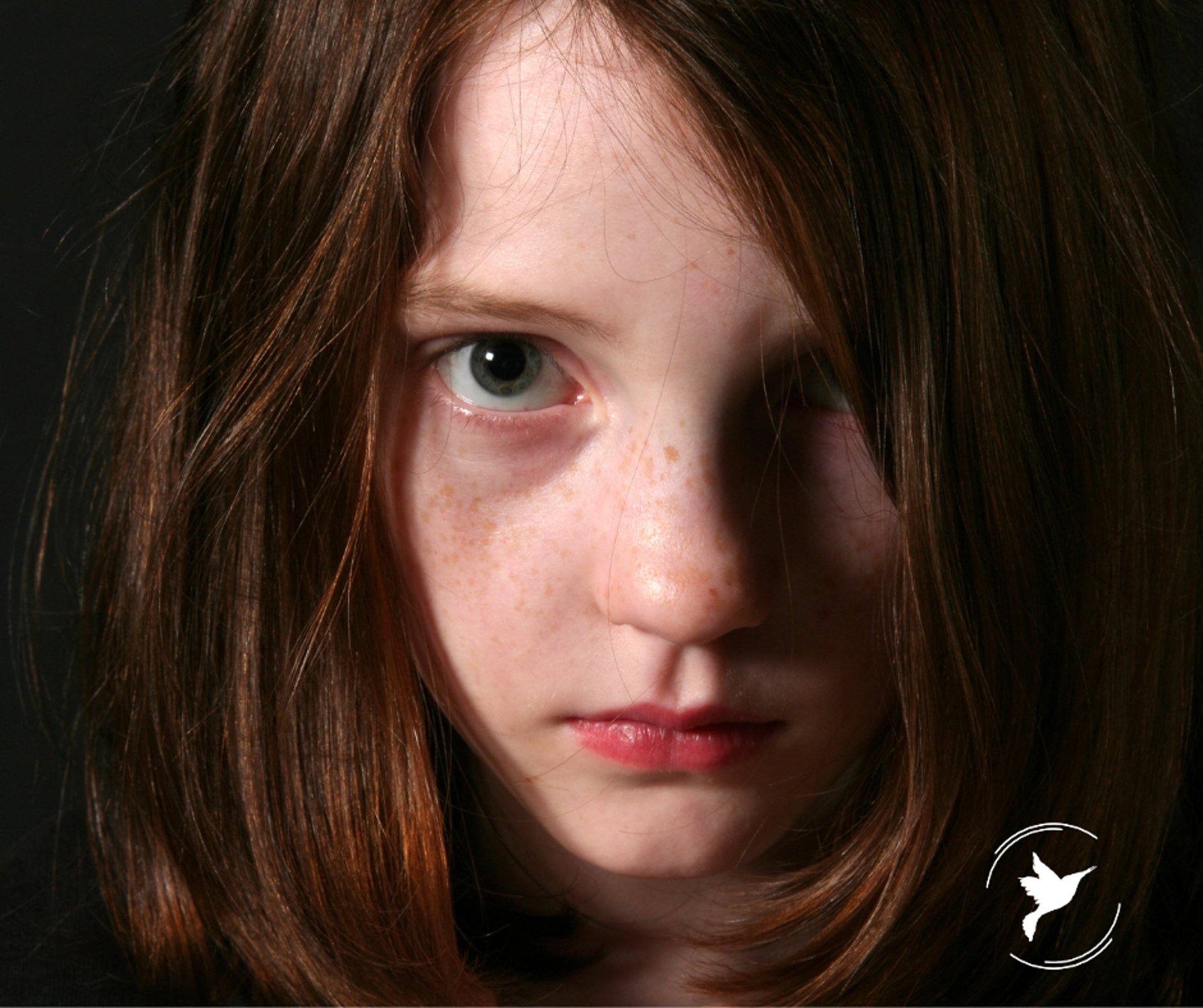
When a parent mourns a living child
— and a child lives a forced orphanhood.
Parental alienation is not simply 'a difficult relationship after divorce'.
It is a form of emotional abuse that deeply affects the alienated parent
— and even more deeply the child, who cannot understand what is happening to them.
If you are living this — as a parent who has lost contact or as a child who grew up with anger, rejection or confusion towards one parent
— you are not alone. And it is not too late.
Parental Alienation — In a Nutshell
Parental alienation is a complex process of psychological manipulation during which a child develops unjustified hostility, fear or rejection towards one parent — not because of personal experience but because of the systematic influence of the other.
It does not begin with divorce — it often starts within the marriage itself, quietly and gradually: through belittling, splitting, emotional enmeshment, reinforcing dependency and systematic undermining of the image of the other parent. The child doesn't see conflict — they see 'truth'.
Alienation constitutes a form of emotional abuse and is connected to specific clinical mechanisms:
• Implanted false memories
• Parentification
• Emotional enmeshment
• Splitting
• Alienation from roots and identity
In the psychological literature, the child's experience is described as ambiguous loss: grief for a parent who is alive but not present.
For the alienated parent, the experience is equally traumatic: grief without a funeral, loss without explanation, love that cannot reach the child.
Parental Alienation
When a parent mourns a living child — and a child lives a forced orphanhood
Parental Alienation
In a Nutshell


Implanted false memories: the child adopts narratives that do not belong to their own experience
Parentification: the child becomes an ally, confidant, or "guardian" of the parent
Emotional enmeshment: boundaries dissolve and the child loses their sense of self
Splitting: one parent becomes "good" and the other "bad," with no room for complexity
Alienation from roots: the child loses half a family, half a history, half an identity
Parental alienation is a complex process of psychological manipulation during which a child develops unjustified hostility, fear or rejection towards one parent — not because of personal experience but because of the systematic influence of the other.
It often starts within the marriage itself — quietly and gradually: through belittling, emotional enmeshment, reinforcing dependency and undermining the image of the other parent. The child doesn't see conflict — they see 'truth'.
Alienation constitutes a form of emotional abuse connected to specific clinical mechanisms:
If you want to see how it manifests, how it affects the child, and how we work therapeutically, continue reading below.
When divorce comes — alienation
doesn't begin. It intensifies. And the alienated parent is already at a disadvantage: the child has already formed an image, has already learned who to trust and who to avoid.
What Parental
Alienation is
The term Parental Alienation Syndrome (PAS) was introduced by psychiatrist Richard Gardner in 1985. Today, the scientific community uses the term Parental Alienation (PA) and recognises it as a form of psychological abuse of the child.
The child is not choosing freely. They are being programmed — often by a parent who believes they are "protecting" the child, but who is in reality using the child to meet their own emotional needs or to punish the other parent.
This is not physical distance. It is psychological distance — invisible, gradual, and often unrecognisable
even to the child experiencing it.
Parental Alienation (PA) describes a process in which a child develops unjustified hostility, fear, or rejection toward one parent as a result of the systematic influence of the other.
A common misconception is that it begins with divorce. In reality, it can begin much earlier — within the marriage, under the same roof, before any separation or legal dispute.
In a home where one parent has narcissistic traits or a need for control, alienation unfolds quietly: through comments that undermine the other parent, through narratives that portray them as "weak," "dangerous," or "unreliable."
The child doesn't witness conflict — they witness "truth." And that truth takes root deeply, long before there is any reason to question it.
It is not divorce that damages children. It is the way one parent chooses to handle it — and whether the child is allowed to love both parents freely.
How Parental Alienation Manifests
In the alienated parent
If you are the alienated parent, you may recognise some of these:


Your child refuses visits without a clear reason — or with reasons that sound 'borrowed'
They use language that doesn't match their age — phrases that seem to belong to the other parent
They refuse to acknowledge any positive memory or experience with you
They express anger or contempt without being able to explain why — and repeat phrases from the other parent
They feel 'obligated' to reject you in order to maintain the love of the parent they live with
They express emotions that seem age-inappropriate — as if re-enacting feelings 'transferred' to them
Their attitude changes dramatically depending on whether you are alone or the other parent is present
They tell you "they don't love you" or "don't want to see you" — with words that don't sound like their own
What you feel — the loss, the injustice, the inability to reach your own child
— is real. And it has a name.
Parental alienation.
In the child — what shows externally
The child experiencing parental alienation often:


Speaks about the alienated parent with reasons that don't come from personal experience — with anger that has no personal basis
Refuses to acknowledge any positive memory or experience together
Fiercely defends one parent in a way that resembles protection — as if they have decided that is the 'right' thing
Feels guilty when they express even one positive thought about the alienated parent
Has developed a black-and-white view of the world — 'good people' and 'bad people' — with no space for ambivalence or complexity
Forced Orphanhood
— The Loss That Has
No Name
There is a kind of loss that society does not recognize — one that has no funeral, no condolences, no socially accepted way to grieve.
It is the loss of a parent who is alive — but not present. A parent who loves — but is not permitted to love openly. What the child experiences has a name in clinical literature: ambiguous loss — a loss that never closes, because the person who was lost has not truly gone.
For the alienated parent, this is also the reality: grieving someone who is still alive. Watching their child grow up — through photographs, through secondhand information, or from a distance.
This is not "just difficult." It is trauma.
And it deserves to be treated as such.


What Is Really Happening to the Child — and Why
Parental alienation is not a feeling. It is a process — with specific mechanisms, specific consequences, and specific marks on the child's psyche.


False memories and
the reconstruction of the past
One of the most insidious mechanisms is the implantation of false or distorted memories. The child does not "remember" events as they happened — they remember a version repeated so many times, with such emotional intensity, that it has become their own reality. This does not mean the child is lying. It means they genuinely believe in memories that do not belong to their own experience.
If you are reading this and something within you stumbles — if there are memories that don't quite "fit" with what you were taught to believe — that conflict is worth exploring.
Parentification and Role Reversal
Another critical mechanism is what clinical literature calls parentification — the process by which a child takes on a role that does not belong to them: emotional supporter, confidant, "ally" — for a parent who cannot manage the pain of divorce alone. The child stops being a child. They become a guardian. They become — without choosing it — a weapon.
Vengeance and the child as a tool of punishment
When weakness is combined with narcissistic traits — the inability to accept rejection, the need for control, black-and-white thinking — the child becomes an instrument of punishment. Every refused visit becomes a victory. Every tear of the alienated parent becomes satisfaction.


The child doesn't know they are playing this role. They only know that when they agree, the parent they are with is calm. They learn, in this way, to choose. Not with freedom — but with survival.
Alienation from the extended family
Parental alienation rarely stops at one parent. It spreads to grandparents, aunts and uncles, cousins — people who were once part of the child's world. What the child loses is not just one parent. It is half their roots. They lose stories, people, and the sense of coming from somewhere — of having history, roots, continuity.
How you may be feeling
If you are living this — you may recognise some of these:
If you are the Alienated Parent
You feel you have lost your child without them dying — a loss that has no mourning ritual
You question yourself: "Did I do something so wrong that this is justified?"
You feel powerless in the face of a system that does not recognize what is happening
You exhaust yourself trying to "prove" your love to a child who has been taught not to believe it
You oscillate between anger, grief, and a quiet hope that one day your child will understand
You feel you are not allowed to be angry — because that would "prove" what the other parent is saying
These are not signs of weakness. They are the natural response to a situation that has no logical solution — only a therapeutic one.
If you are the child who has grown up
You have memories that don't quite "fit" with what you were told about one of your parents
You feel guilt when you remember something good with them
You cannot explain in your own words why you rejected them — "I just knew it had to be that way"
You find it difficult to trust — in your relationships, in your choices, in yourself
You feel that a part of your identity is missing — as though you only know half of who you are
Now that you are older, something doesn't quite "add up" — and that confusion matters
That confusion is not weakness. It is
the beginning of your own truth.
What Parental Alienation is
Parental Alienation (PA) describes a process in which a child develops unjustified hostility, fear, or rejection toward one parent as a result of the systematic influence of the other.
A common misconception is that parental alienation begins with divorce. In reality, it can begin much earlier — within the marriage, under the same roof, before any separation or legal dispute has taken place. In a home where one parent has narcissistic traits or a need for control, alienation unfolds quietly and gradually: through comments that undermine the other parent in front of the child, through narratives that portray one parent as "weak," "dangerous," or "unreliable," through reinforcing the child's dependence on one parent while slowly eroding their relationship with the other. The child doesn't witness conflict — they witness "truth." And that "truth" takes root deeply, long before there is any reason to question it.
When divorce comes — or the decision to separate — alienation doesn't begin. It intensifies. And the alienated parent is already at a disadvantage: the child has already formed an image, has already learned who to trust and who to avoid.
This is what makes parental alienation within marriage particularly insidious: it is invisible. There are no court documents, no witnesses, no "incident" anyone can point to. There is only a child who is slowly drifting away — and a parent who doesn't understand why.
This is not physical distance. It is psychological distance — invisible, gradual, and often unrecognizable even to the child experiencing it.
The term Parental Alienation Syndrome (PAS) was introduced by psychiatrist Richard Gardner in 1985 to describe a cluster of behaviors observed in children: unjustified rejection of one parent, an inability to think critically about the "favored" parent, and an unexplained certainty that "I decided this on my own." Today, the scientific community primarily uses the term Parental Alienation (PA) to describe the process — and recognises it as a form of psychological abuse of the child.
The child is not choosing freely. They are being programmed — often by a parent who believes they are "protecting" the child, but who is in reality using the child to meet their own emotional needs or to punish the other parent.
And here is something critical, confirmed every day in practice: it is not divorce that damages children. It is the way one parent chooses to handle it. It is whether the child is allowed to love both parents freely — or whether they learn that loving one means betraying the other.
In many cases, parentification begins within the marriage — when one spouse, unable to manage their emotional loneliness or dissatisfaction within the relationship, turns to the child as their primary source of emotional connection. The child becomes a confidant, an ally, even a substitute partner. They learn to see one parent as "safe" and the other as a "threat" — with no real basis for this, and without anyone around them recognizing it as a problem.
By the time separation comes, these patterns are already deeply established. And the alienated parent is left to fight a battle that — without knowing it — they had already begun to lose long before.
How Parental Alienation Manifests
In the Alienated Parent
If you are the alienated parent, you may
recognise some of these:
• Your child refuses visits without a clear reason — or with reasons that sound 'borrowed', as if they've been taught them.
• They use language that doesn't match their age — phrases that seem to belong to the other parent.
• They refuse to acknowledge any positive memory or experience with you — and insist it never happened.
• They express anger or contempt without being able to explain why — and repeat phrases from the other parent.
• They feel they must 'be obligated' to reject you in order to maintain the love and approval of the parent they live with.
• They express emotions that seem age-inappropriate — as if they are re-enacting feelings that have been 'transferred' to them.


What you feel — the loss, the injustice, the inability to reach your own child — is real. And it has a name. Parental alienation.


In the Child
— What Shows Externally
The child experiencing parental alienation often:
• Speaks about the alienated parent with reasons that don't come from personal experience — with anger that has no personal basis.
• Refuses to acknowledge any positive memory or experience together.
• Fiercely defends one parent in a way that resembles protection — as if they have decided that is the 'right' thing.
• Feels guilty when they express even one positive thought about the alienated parent.
• Has developed a black-and-white view of the world — 'good people' and 'bad people' — with no space for ambivalence or complexity.


What Actually Happens to the Child — and Why
Parental alienation is not a symptom. It is a process — with specific mechanisms, specific consequences and specific traces in the child's psyche.
False Memories and the Reconstruction of the Past
Another critical mechanism is what clinical literature calls parentification — the process by which a child takes on a role that does not belong to them: the role of emotional supporter, confidant, "ally" — for a parent who cannot manage the pain of divorce alone.
This happens frequently when one parent — typically the one who cannot accept the separation — turns to the child to meet their own emotional needs. They speak to the child about the other parent. They transfer their own pain, their own anger, their own version of events. They make the child a participant in a narrative that is not age-appropriate and does not belong to them.
The child, who loves this parent and wants to protect them, takes on this role without realizing it. They stop being a child. They become a guardian. They become an ally. They become — without choosing it — a weapon.
And in this process, they lose something that cannot easily be recovered: the right to love both parents freely, without feeling that loving one means betraying the other.
This role reversal leaves deep marks on development. According to attachment theory, a child who cannot rely on a safe, stable adult — but is instead called upon to become the safe space for their parent — develops insecure attachment patterns that carry unchanged into their adult relationships: difficulty trusting, fear of abandonment, a tendency to care for others at their own expense.
One of the most insidious mechanisms of parental alienation is the implantation of false or distorted memories. The child does not "remember" events as they happened — they remember a version that has been repeated so many times, with such emotional intensity, that it has become their own reality.
This does not mean the child is lying. It means they genuinely believe in memories that do not belong to their own experience — but to the emotional need of the parent who created them.
The child may "remember" a parent as absent, dangerous, or indifferent — even if their shared moments were real, warm, and full of love. Those memories have not disappeared — they have been buried beneath layers of fear, guilt, and narratives that were never truly theirs.
Attachment theory (Bowlby, Ainsworth) shows us why this works so effectively: the child has a deep biological need to bond with the person who cares for them. When that person transmits fear or aversion toward the other parent, the child cannot resist — they choose the safety of connection, even if it means accepting a narrative that does not match their own experience.
If you are reading this and something within you stumbles — if there are memories that don't quite "fit" with what you were taught to believe — that conflict is worth exploring.
Parentification and Role Reversal
Parental alienation is not always born from malice. It is often born from weakness — from a parent who has been deeply hurt, who cannot process their own pain, and who finds in the child the only means through which they can still "reach" the other.
When this weakness is combined with narcissistic traits, however — with the inability to accept rejection, with the need for control, with the black-and-white thinking that divides the world into "good" and "bad" — the child becomes an instrument of punishment.
Every refused visit becomes a victory. Every tear of the alienated parent becomes satisfaction. Every "I don't want to go" from the child's mouth becomes proof that "I am right."
The child doesn't know they are playing this role. They only know that when they agree, the parent they are with is calm. And when they express a desire to see the other parent, the atmosphere becomes heavy, the silence punishing, or the words charged.
They learn, in this way, to choose. Not with freedom — but with survival.
This is precisely what makes parental alienation a form of narcissistic abuse: the alienating parent does not see the child as a separate being with their own needs — they see them as an extension of themselves, as a means to their own ends.
The psychological damage that results is not collateral. It is structural.
Parental alienation rarely stops at one parent. It spreads: to grandparents on the "other side," to aunts and uncles, to cousins, to the people who were once part of the child's world — and who have now become "enemies" by definition, simply because they belong to the "wrong" camp.
What the child loses is not just one parent. It is half their roots.
They lose stories they will never hear. They lose people who could have told them "you look just like your grandfather" or "your father was exactly the same when he was young." They lose the sense of coming from somewhere — of having history, roots, continuity.
This loss is not abstract. It is identity-level. And adults who have experienced alienation frequently describe a feeling of an incomplete identity — as though they only know half of who they are.
Vengeance and the Child as a
Tool of Punishment
Alienation from the Extended Family — Half a Root System
Forced Orphanhood — The Loss That Has No Name
There is a kind of loss that society does not recognise — one that has no funeral, no condolences, no socially accepted way to grieve.
It is the loss of a parent who is alive — but not present. A parent who loves — but is not permitted to love openly. A parent who exists — but has become a stranger in the child's life.
What the child experiences has a name in clinical literature: ambiguous loss — a loss that never closes, because the person who was lost has not truly gone — they have simply become unreachable.
For the alienated parent, this is also the reality: grieving someone who is still alive. Watching their child grow up — through photographs, through secondhand information, or from a distance — and not being able to be there.
This is not "just difficult." It is trauma. And it deserves to be treated as such.
Divorce alone does not damage children.
What leaves marks is the way a parent chooses to handle it — and whether they choose to use the child as a means
to an end.
How You May Be Feeling
If you are living this — you may recognise some of these:
You feel you have lost your child without them dying — a loss that has no mourning ritual
You question yourself: "Did I do something so wrong that this is justified?"
You feel powerless in the face of a system that does not recognize what is happening
You exhaust yourself trying to "prove" your love to a child who has been taught not to believe it
You oscillate between anger, grief, and a quiet hope that one day your child will understand
You feel you are not allowed to be angry — because that would "prove" what the other parent is saying
Αυτά δεν είναι σημάδια αδυναμίας. Είναι η φυσιολογική αντίδραση σε μια κατάσταση που δεν έχει λογική λύση — μόνο θεραπευτική.
You have memories that don't quite "fit" with what you were told about one of your parents
You feel guilt when you remember something good with them
You cannot explain in your own words why you rejected them — "I just knew it had to be that way.
You find it difficult to trust — in your relationships, in your choices, in yourself
You feel that a part of your identity is missing — as though you only know half of who you are
Now that you are older, something doesn't quite "add up" — and that confusion matters
If you are the parent being alienated:
If you are the child who has grown up:
That confusion is not weakness. It is the beginning of your own truth.
How We Work Together
For the Alienated Parent:
Validation and understanding of the mechanisms: Many parents arrive here having doubted themselves for years — their right to memories, their right to their own child, their right to be angry. The first step is to recognise what is actually happening.
Processing the trauma of 'ambiguous loss': The loss of a child without death has no socially recognised grief — no condolences, no support, no socially accepted way of mourning. We work on the emotional processing of this loss — with Trauma-Informed Therapy and Narrative Therapy — giving space to your pain without letting it consume you.
Strategic re-engagement: Where possible, we work on how to communicate and re-engage — how to talk to your child without getting entangled in the other parent's game, how to remain a safe parent even when rejected, how to stay present as a parent even when rejected..
Parental alienation is one of the most complex and emotionally exhausting situations a parent — or a child — can experience. Therapy doesn't aim to 'defeat' the other parent. Its goal is to help you return to yourself — and, where possible, to return to your child.
For the Adult Child Who Recognises They Were Alienated:
Reconstructing the narrative and memory: We work on exploring memories — on the distinction between what you actually experienced and what you were taught to believe. Without pushing you to accept anything, but giving space for your own perceptions to surface freely — perhaps for the first time.
Processing guilt, grief and anger: When an adult child realises what happened, a complex wave of emotions often arrives: grief for the lost years, anger towards the parent who alienated them, guilt for having rejected someone they love. These emotions need space and respect — not judgment.
Restoring identity and roots: Many adults who have experienced alienation feel they know only half of themselves. We work on reconnecting with the roots they lost — with stories, people, pieces of identity they were denied — and on building a stable, authentic sense of self.
Approaches we use:
Cognitive Behavioural Therapy (CBT) · Narrative Therapy · Trauma-Informed Care · Attachment Theory · Dialogical & Relational Therapy · Emotional & Psychological Trauma Processing · Psychoeducation on Parental Alienation and Narcissistic Abuse
Divorce alone
does not damage children.
What leaves marks is the way
a parent chooses to handle it
— and whether they choose
to use the child as a means
to an end.
How we work together
For the alienated parent
Validation and understanding: Many parents arrive having doubted themselves for years. The first step is to recognise what is actually happening.
Processing ambiguous loss:
We work on the emotional processing of this loss — with Trauma-Informed Therapy and Narrative Therapy — giving space to your pain without letting it consume you.
Restoring the attachment bond: Where possible, we work on how to communicate and re-engage with your child without getting entangled in the other parent's game.
Strategic re-engagement:
How to remain the safe parent — even when rejected.
Reconstructing the narrative and memory: We work on exploring memories — on the distinction between what you actually experienced and what you were taught to believe.
Processing guilt, grief and anger: These emotions need space and respect — not judgment.
Restoring identity and roots: We work on reconnecting with the roots they lost — with stories, people, pieces of identity they were denied.
Restoring healthy attachment patterns: Recognising the patterns — fear of abandonment, difficulty trusting — and gradually replacing them with healthier, safer relationship patterns.
Parental alienation is one of the most complex and emotionally exhausting situations a parent — or a child — can experience. Therapy doesn't aim to 'defeat' the other parent. Its goal is to help you return to yourself — and, where possible, to return to your child.
For the adult child who recognises they were alienated
How to Face Parental Alienation
The Hardest Thing You Will Ever Be Asked to Do as a Parent
Parental alienation places you in one of the most exhausting, unnatural dilemmas a person can experience: you watch your child treat you with hostility — the most unnatural and disturbing thing that can happen in a parent-child relationship — and you cannot react. You cannot get angry, because that will "prove" what the other parent is saying. You cannot cry in front of them, because they will carry your weight. You cannot set boundaries and discipline as a normal parent would, because every reaction you have will be used as evidence against you. You cannot lose your composure — not even for a moment.


This inability to act is not a weakness of character. It is the most exhausting form of parental presence that exists — to be there, steady and calm, while falling apart inside.
And at the same time, you are losing something that is not easily spoken about: a part of your identity as a parent. Parenthood is not simply a relationship — it is part of who you are. When that relationship is distorted or severed, you are not only losing time with your child. You are losing a part of yourself.
This is why counseling is not a luxury in this situation — it is a survival need. You need a space where you can get angry, cry, and fall apart safely — so that you can continue to stand upright outside of it. You need someone to help you see clearly that your child is not your enemy — they are trapped. They are a victim of a situation they did not choose and do not fully understand.
What you can do — and it is the most powerful thing there is — is to keep living and keep showing up. To protect your mental and physical health. To remain the safe parent — not the perfect one, not the faultless one, but the steady one, the present one, the real one.
Because children who have been alienated often come back — when they grow up, when they gain distance, when they begin to think for themselves and see through their own eyes. And when that moment comes, you need to be there.
How to Face Parental Alienation
The hardest thing you may be asked to do as a parent
Parental alienation places you in one of the most exhausting, unnatural dilemmas a person can experience: you watch your child treat you with hostility — and you cannot react. You cannot get angry, because that will "prove" what the other parent is saying. You cannot cry in front of them. You cannot lose your composure — not even for a moment.
This inability to act is not a weakness of character. It is the most exhausting form of parental presence that exists — to be there, steady and calm, while falling apart inside.
What you can do — and it is the most powerful thing there is — is to keep living and keep showing up. To remain the safe parent — not the perfect one, not the faultless one, but the steady one, the present one, the real one.
Because children who have been alienated often come back — when they grow up, when they gain distance, when they begin to think for themselves. And when that moment comes, you need to be there.
FAQ
Why has my child suddenly started calling me by my first name?
This is one of the most recogniσable — and most painful — signs of parental alienation. When a child stops saying "mom" or "dad" and begins using a first name, this is not a decision they made on their own. They have been taught — directly or indirectly — that this parent does not deserve the title. It is a symbolic demotion that reflects an implanted narrative: "this person is not really your parent — or at least not one who deserves respect."
Does parental alienation leave permanent consequences for the child?
Without intervention, it can leave deep marks — insecure attachment patterns, difficulties with trust, a loyalty conflict that is never internally resolved, low self-esteem, and an identity confusion that manifests in adult relationships. Awareness, however, changes things. Many adults who recognize that they were alienated and receive appropriate support are able to process these experiences, reclaim their roots, and build healthy, authentic relationships. Awareness is the first step.
What is emotional enmeshment and what are its consequences for the child?
Emotional enmeshment is the state in which the boundaries between parent and child dissolve — the child is not experienced as a separate being with their own needs and feelings, but as an emotional extension of the parent. In the context of parental alienation, the alienating parent transfers their own emotions, anger, and version of reality onto the child, leaving the child unable to distinguish where the parent ends and they begin. The child develops hypervigilance — a chronic state of alertness in which they constantly monitor the parent's emotional state in order to adapt their behavior — and learns to feel responsible for that parent's feelings. The long-term consequences are profound: difficulty developing an autonomous identity, an inability to set boundaries, a tendency to lose themselves in relationships, and a persistent confusion between what they feel and what others feel on their behalf.
The other parent tells me the child "chose this on their own." Is that true?
No — not in the way implied. A child who has experienced parental alienation does not choose freely. They choose with survival. They have been taught — through ongoing influence, direct or indirect — that the "right" choice is to align with the parent who feels most powerful, most present, most dangerous to lose. Loyalty conflict and the need for safety and stability lead the child to submit — and that submission is presented as "their own decision." The paradox that reveals the truth is this: the same parent who claims the child "decides for themselves" about their relationship with the other parent does not allow them to decide for themselves about anything else — whether to go to school, whether to study, who to spend time with. When a child's "free choice" only counts when it benefits one parent, it is not a choice. It is control.
Why does my child behave differently when we are alone versus when the other parent is present?
Because the child has learned to adapt their behavior depending on who is watching. When alone with you, the natural connection can surface — they laugh, relax, and are themselves. When the other parent is present, or when they know they will be returning to them, they put the expected rejection behavior back on. This dual behavior is not hypocrisy — it is survival. And it is one of the clearest indicators that the rejection you are experiencing is not spontaneous.
What does my child's aggression and anger toward me indicate?
The anger a child expresses toward the alienated parent is often not their own — it is borrowed anger. It is the other parent's emotions, absorbed by the child and expressed as their own, because they have no tools to separate them. The aggression also functions as a test: the child is checking whether your love is real, or whether you will leave — as they have been told you did. A steady, calm presence without retaliation is the most powerful thing you can do in these moments.
How can I tell if I was a victim of parental alienation as a child, when I only know what the parent I lived with told me?
This is perhaps the most difficult question — and the most courageous one. Some signs worth exploring: you cannot recall a single positive memory with the other parent, yet certain things don't quite "add up." The reasons you have for rejecting them sound like they belong to someone else — not to your own experience. You feel guilt or anxiety when you consider reaching out to them. Therapy does not aim to tell you what the truth is — it aims to give you the space to discover it for yourself, through your own eyes, for the first time.
Can the term "parental alienation" be used in court as evidence of poor parental responsibility?
In several countries, yes — and the relevant case law is expanding. In Greece, the legal system does not formally recognize the term as a standalone legal concept, but its effects can be documented and presented: denial of visitation, obstruction of communication, changes in the child's behavior, and psychological assessments by expert witnesses. Working with a lawyer specializing in family law and a psychologist who can document the situation is essential. The therapeutic process can also contribute at this level — through clarity, documentation, and psychological stability.

Take the First Step
The first diagnostic session is free.
No commitment required
— just your wish to talk.

Take the First Step
The first diagnostic session is free.
No commitment required
— only your wish to talk.
Lilika Vergi | Counselling & Psychotherapy
Based in Patras, I work primarily online with Greek speakers across Greece and worldwide. In-person sessions also available on request.
Phone
lilika@lilikavergi.com
+30 261 301 7155
© 2026 Lilikavergi.com. All rights reserved.
Mobile / WhatsApp
+30 694 843 3590
Address
Agias Varvaras 57, Akteo Riou, 265 04, Patras, Greece
Privacy policy Terms & Conditions Cookies Policy